

Blood flow to the hands and feet works against gravity and against distance — they're the farthest points from the heart, which means circulation there is more sensitive to daily habits than circulation almost anywhere else in the body. Sitting for long stretches, cold weather, tight footwear, and simple inactivity can all affect how well blood reaches the extremities, and small daily habits tend to make a bigger difference here than in most other areas of general health.
None of the habits below are a substitute for medical care, and if you have a diagnosed circulatory condition you should follow your physician's guidance first. But for general day-to-day wellness, these are the habits that come up most consistently among people who prioritize healthy circulation as they age.
Move Every 30 to 45 Minutes
Prolonged sitting is one of the more well-documented contributors to poor circulation in the legs and feet. Simply standing up, walking a short distance, or doing a few calf raises every 30 to 45 minutes is enough to keep blood moving through the lower extremities. This matters more than most people expect — even a minute or two of movement can meaningfully offset the effects of an hour of sitting.
Setting a phone reminder or timer is a simple way to build this into a routine, especially for anyone who spends long stretches reading, watching television, or working at a desk.
Daily Walking, Even in Short Bouts
Walking is consistently the most recommended habit for supporting healthy circulation, and it doesn't need to be intense or lengthy to matter. A 15 to 20 minute walk, or even two shorter 10-minute walks spread through the day, engages the calf muscles in a way that helps pump blood back up toward the heart — sometimes called the body's "second heart" function of the lower leg muscles.
People who build walking into their morning or evening routine consistently report better overall comfort in their legs and feet, particularly by the end of the day.
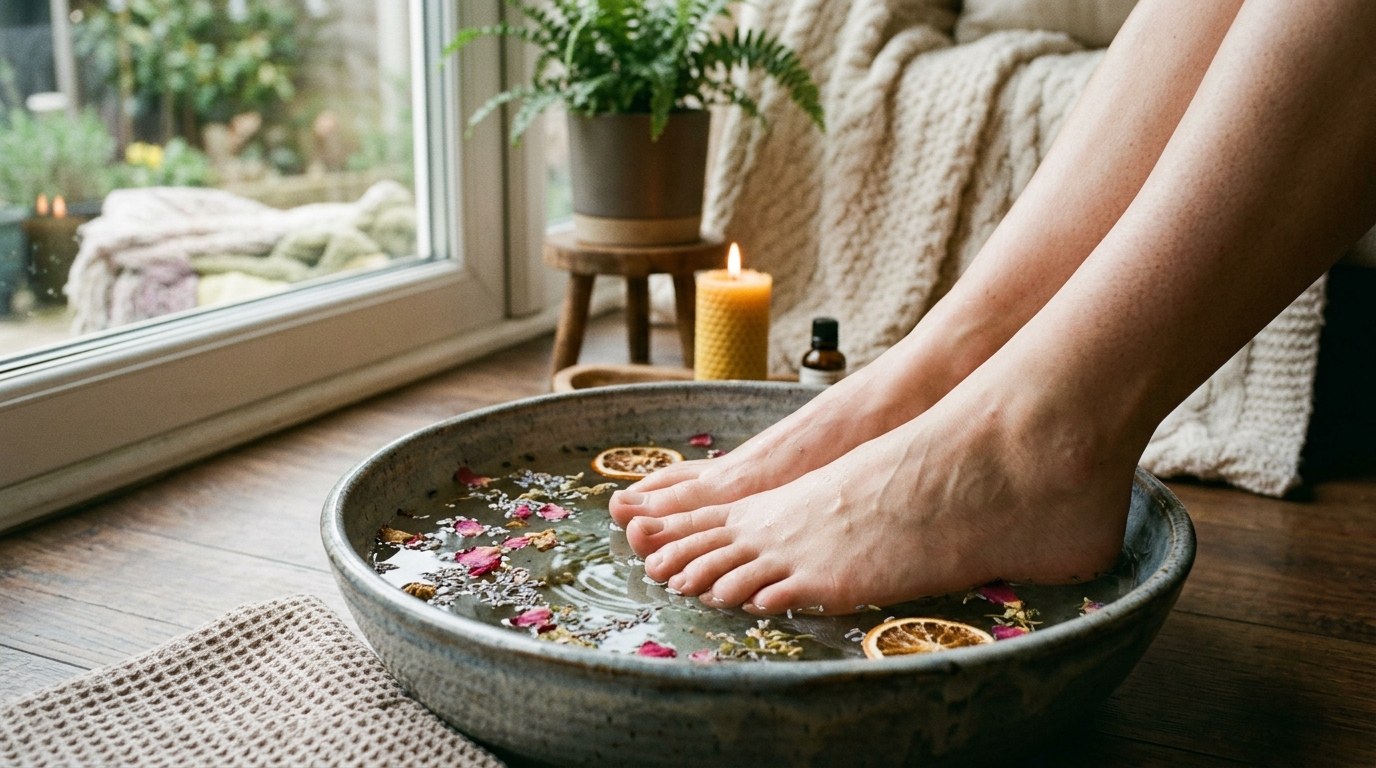
Warm Soaks for the Hands and Feet
A warm foot or hand soak — even just 10 to 15 minutes in a basin of comfortably warm water — is a habit many people build into their evening routine. Warmth encourages blood vessels to relax and widen, which supports blood flow to the extremities. Adding Epsom salt is a common addition, though the circulatory benefit comes primarily from the warmth itself.
Choosing the Right Footwear
Tight shoes and socks can restrict blood flow to the feet in ways that are easy to overlook. Choosing footwear with a wide enough toe box, avoiding socks with tight elastic bands around the ankle, and replacing shoes once the support has broken down are all habits that directly support healthy circulation to the feet. Compression socks, used appropriately and not too tightly, are another option some people find helpful, particularly for supporting circulation during long periods of sitting or standing.
Elevate Your Feet When Sitting for Long Periods
Elevating the feet slightly above heart level for a portion of the day — while reading or watching television, for example — helps reduce pooling of blood in the lower legs and feet. A footstool or ottoman is usually all that's needed. This is a particularly easy habit to build into an existing routine since it doesn't require setting aside separate time.
Stay Hydrated
Blood volume and viscosity are affected by hydration status, and adequate water intake supports the blood's ability to flow efficiently through smaller vessels, including those in the hands and feet. This is a simple habit but one that's frequently underestimated, especially since the sensation of thirst tends to become less reliable with age.
Nutritional Support Worth Understanding
Alongside these daily habits, some people also look at the nutritional side of nerve and circulatory health — particularly B-vitamins like benfotiamine (B1) and methylcobalamin (B12), which support nerve tissue that works closely alongside the circulatory system in the extremities. Our guide to B-vitamins and healthy aging covers this in more depth, and our review of Dr. Berg's Nerve Support with Benfotiamine looks at one formulated option built around these ingredients.
This article is for general informational purposes and does not constitute medical advice. If you have a diagnosed circulatory or nerve condition, please consult a qualified healthcare provider before changing your routine.